Game of Thrones Name Generator
Forge a name worthy of the Seven Kingdoms — instantly, for free.
If you’ve ever tried to name a character for a fan fiction, a tabletop campaign, or a Dungeons & Dragons-adjacent homebrew world and landed on something flat like “John Snow-ish,” you know the problem. Generic fantasy names break immersion. A proper Game of Thrones name generator solves that by building names the way George R.R. Martin actually built them: from real historical and linguistic patterns, not random syllable soup.
This tool draws on the naming logic of Westeros and Essos — hard Old English-flavored consonants in the North, softer Romance-language cadences in Dorne, Old Norse-style patronymics on the Iron Islands, and flowing High Valyrian vowels across the Narrow Sea — to produce names that actually sound like they belong in the Seven Kingdoms. No account, no email, no waiting. Pick a category, click once, and you’ve got a name.
- Seven categories covered: Great House nobility, wildlings, Essosi/Dothraki-style, Night’s Watch, Faceless Men, Maesters, and sellswords.
- Names are built from region-specific phonetic rules (North, Reach/Stormlands, Dorne, Iron Islands, Vale), not random letter strings.
- Over 12,000 possible combinations across all categories, gender filters, and regions.
- 100% free, no account required, unlimited regenerations, works on mobile and desktop.
- Every generated name is original — not a reproduction of an existing canon character or House.
What Is a Game of Thrones Name Generator?
Unlike a plain random word generator, a well-built one respects the source material’s internal logic. Northern names lean short and blunt (think hard “K” and “R” sounds). Dornish names borrow Mediterranean and Iberian rhythms. Valyrian-descended names stretch out with vowels and soft consonants. That distinction matters if you’re writing dialogue, running a campaign, or building a roleplay profile that needs to hold up under scrutiny from people who’ve read the books twice.
How to Use This Generator
- Pick a category. Choose Great House nobility, wildling, Essosi/Dothraki-style, Night’s Watch, Faceless Man, Maester, or sellsword.
- Set your gender preference. Leave it on “Surprise Me” if you want fully random results.
- Narrow by region (House names only) if you want a Northern, Dornish, Ironborn, Vale, or Reach/Stormlands feel specifically.
- Click Generate. Your name appears instantly below the button, along with a short flavor tag.
- Copy it straight to your clipboard with the Copy Name button, or regenerate freely — there’s no cap.
Types of Names You Can Generate
Westeros isn’t one culture wearing different coats of paint — it’s several distinct naming traditions stitched together by conquest and migration. This generator covers seven of them, the ones that come up most often in fan fiction, tabletop RPGs, and online roleplay communities.
Great House Lord & Lady Names
These pair a strong first name with a House surname and, often, a regional seat. They’re built for characters who hold land, sit at high tables, or scheme for a crown. If you’re naming a noble protagonist or a rival lord for your campaign, start here — and to see the actual seats, sigils, and territories behind the Great Houses, browse the Noble Houses of Westeros atlas.
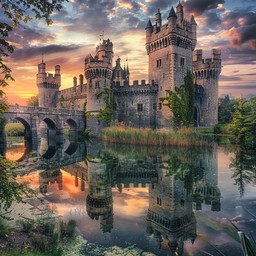 A Great House’s seat — stone, sunset, and centuries of standing.
Wildling Names (Free Folk)
North of the Wall, surnames barely exist. Instead you get earned epithets — descriptive nicknames tied to a deed, a place, or a physical trait. This category leans into that: expect names that sound like they were shouted across a raiding camp, not written on a family tree.
 Beyond the Wall, names are earned, not inherited.
Essosi & Dothraki-Style Names
Across the Narrow Sea, naming conventions shift entirely. Dothraki names are short, guttural, and built around khal/khaleesi-adjacent titles. Valyrian-descended names (like those of Old Valyria’s noble bloodlines) run longer and vowel-heavy. This category blends both registers for an Essosi feel — for the geography behind them, from the Dothraki Sea to Old Valyria, see the Essos Map.
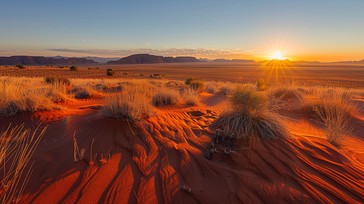 The endless grass and sand of the lands across the Narrow Sea.
Night’s Watch Names
Men of the Watch come from every region of Westeros — lords’ bastards, criminals, second sons — so their birth names stay regional, but they often pick up a Watch-specific rank or role tag (Ranger, Steward, Builder) that this category factors in. For the castles they actually serve at — Castle Black, Eastwatch, the Shadow Tower — see the Wall Map.
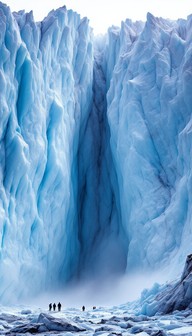 A wall of ice, three hundred miles long and vast beyond measure.
Faceless Man / Assassin Names
The Faceless Men of Braavos deliberately shed identity, so names here trend toward single evocative words, aliases, and Braavosi-flavored syllables rather than full family names — useful for assassin, spy, or “no one” archetypes in your story.
 Where a name is a mask, and a mask is easily traded.
Maester & Scholar Names
Every keep of note keeps a chain-linked maester on hand for healing, ravens, and record-keeping. These names skip regional flourish for something quieter and more academic — plain given names paired with a Citadel-style honorific, fitting a character defined by knowledge rather than birthright.
 Where chains are earned through study, not swordplay.
Sellsword & Mercenary Names
Free companies drift across Essos picking up fighters from every port they pass through, so sellsword names mix regional roots with a hard-earned company epithet — the kind of name a character buys with a blade rather than inherits.
 A blade with more stories than its owner cares to tell.
The Naming Conventions of Westeros and Essos
Here’s the part most generators skip: why the names sound the way they do. Understanding the underlying pattern helps you tweak a generated name so it fits your specific character better, rather than just accepting whatever the tool spits out. For visual context on where each tradition comes from, ThroneAtlas’s Westeros Map lays out every region referenced below.
The North
Northern names take clear inspiration from Old English and early medieval British naming — short, hard-consonant first names paired with equally blunt surnames. The region’s isolation and cold climate translate into names that sound sturdy rather than ornamental.
The Reach, Stormlands & Crownlands
These fertile, Andal-settled regions produce more conventionally “medieval English” names, reflecting their closer ties to chivalric, courtly culture. Surnames here often carry floral or heraldic weight.
Dorne
Dorne’s naming pattern draws heavily on Spanish and Mediterranean phonetics — a direct reflection of the region’s in-world Rhoynar migration history, which mirrors real-world Moorish influence on the Iberian Peninsula.
The Iron Islands
Ironborn names are short, hard, and often Biblical or Old Norse in flavor, matching the culture’s raiding, seafaring identity. Surnames carry a similarly blunt, weathered quality.
Valyria and Essos
High Valyrian-descended names use elongated vowels and soft consonant clusters, giving them an almost musical quality distinct from anything native to Westeros — appropriate for bloodlines tied to a lost empire.
The Free Folk
Beyond the Wall, there’s no feudal surname system at all. Identity comes from what you’ve done or where you’re from, which is exactly the epithet-driven pattern this generator’s wildling category replicates.
Quick Reference: Naming Patterns by Region
Bookmark this table if you’re naming several characters at once and want to keep each region’s sound consistent across a whole cast.
| Region | Phonetic Influence | Sound Profile | Common Endings |
|---|---|---|---|
| The North | Old English / Anglo-Saxon | Blunt, hard consonants | -on, -ard, -wyn |
| The Reach / Stormlands | Norman-French / courtly English | Ornate, chivalric | -ery, -las, -ane |
| Dorne | Spanish / Mediterranean | Warm, flowing | -yn, -ia, -os |
| Iron Islands | Old Norse / Biblical | Short, weathered | -on, -ar, -k |
| Valyria / Essos | Constructed classical | Vowel-heavy, musical | -erys, -ael, -ys |
Notice the pattern: the closer a region sits to the “civilized” Andal core of Westeros, the more the names lean toward familiar medieval-English structure. The farther out you go — Dorne, the Iron Islands, beyond the Wall, across the Narrow Sea — the more the names diverge into their own distinct phonetic identity. That’s not an accident of the generator; it mirrors how Martin built the world’s linguistic geography in the first place, and it’s why swapping a Northern surname onto a Dornish first name tends to read as “off” even to casual readers.
Common Mistakes to Avoid When Naming Fantasy Characters
A generator gets you 90% of the way there. The last 10% is on you, and it’s where most amateur worldbuilding stumbles.
- Overloading apostrophes and silent letters. One stylistic flourish per name is plenty. Three, and readers start skimming past it entirely.
- Ignoring your own naming rules. If you’ve established that Northern houses use hard consonants, don’t suddenly hand your Northern villain a soft Valyrian-sounding name — readers notice inconsistency even when they can’t articulate why.
- Naming everyone alliteratively. A whole cast of B-names gets confusing fast, especially in dialogue-heavy scenes.
- Forgetting nicknames matter more than full names. Readers remember an earned epithet long before they remember a full formal title. Generate the formal name first, then ask what people would actually call this person day to day.
- Making every name equally exotic. Contrast sells authenticity. A world where every single name is maximally unusual reads as try-hard; mixing a few plain, grounded names among the elaborate ones makes the elaborate ones land harder.
Why Writers, Gamers, and Roleplayers Actually Use These Tools
You don’t need to be drafting the next fantasy epic to want a name generator on hand. In practice, three groups lean on tools like this constantly:
- Fan fiction writers who need a full cast of background characters — guards, minor lords, tavern keepers — without spending an hour naming each one.
- Tabletop and D&D-adjacent GMs running a Song of Ice and Fire-inspired campaign who need NPC names on the fly, mid-session.
- Roleplay community members on Discord or forums who need an original character name that still reads as authentically “Westerosi” to other players. Once you’ve got a name, the Character Route Atlas is a useful reference for how real journeys and identities get built out in this world.
There’s also a simpler use case: some people just enjoy it. Testing which House a generated name “sounds like it belongs to” is its own small game, and that’s fine too.
Tips for Picking the Best Name for Your Character
- Match the region to the personality. A blunt Northern name reads differently than a flowing Valyrian one — pick the region that matches your character’s culture, not just what sounds cool.
- Say it out loud. If you stumble over it, your readers will too.
- Check it doesn’t collide with a canon name. A generated name that’s one letter off from an existing major character is going to pull readers out of the story instantly.
- Regenerate at least five times. The first result is rarely the best — treat this like browsing, not settling.
- Pair the name with a one-line backstory. Even a generated name feels more real once it has a reason behind it.
Frequently Asked Questions
Is this Game of Thrones name generator free to use?
Yes. The tool is completely free, requires no sign-up, and has no limit on how many names you can generate in a session.
Can I generate a House name that doesn’t already exist in the show?
Yes — the generator creates original House and character names inspired by Westerosi naming patterns rather than reproducing the exact names of existing canon Houses or characters.
What’s the difference between a wildling name and a House name?
House names pair a first name with an inherited family surname and often a seat; wildling names are typically a single given name plus an earned nickname or epithet, since the Free Folk beyond the Wall don’t use hereditary surnames.
Are Dothraki-style names generated here linguistically accurate?
The Essosi/Dothraki category is styled after the sound and rhythm of the in-universe naming conventions rather than the constructed Dothraki language itself, which was developed separately by a linguist for the TV adaptation.
How is a Maester name different from a Night’s Watch name?
Maester names pair a plain given name with a Citadel-style scholarly honorific reflecting study and rank, while Night’s Watch names keep a regional birth name and add a role or rank earned at the Wall, such as Ranger or Steward.
What makes a good sellsword or mercenary name?
A strong sellsword name usually combines a hard, portable first name with an earned company epithet tied to a battle, weapon, or reputation, since Essosi free companies recruit fighters from many regions rather than one bloodline.
Can I use generated names in my own fantasy novel?
Original names produced by this tool are yours to use freely in your own creative writing, campaigns, or roleplay profiles.
Does the generator work on mobile?
Yes, the tool is fully responsive and works the same way on phones, tablets, and desktop browsers.
How many unique name combinations does the tool support?
Across all seven categories and regional filters, the underlying syllable and surname banks support more than 12,000 unique combinations, so repeats are uncommon even after dozens of generations.
Can I copy a generated name straight to a document?
Yes — after generating a name, click the Copy Name button to copy it to your clipboard for pasting into a document, campaign notes, or a roleplay profile.
Find Your Name
Whichever corner of Westeros or Essos your character calls home, the generator above is ready whenever you are. Scroll back up, pick a category, and start clicking — the Seven Kingdoms have room for one more name.
And if the first result doesn’t land, that’s fine — regenerate as many times as you want. Some names click instantly; others need a second look, a slight mental edit, or a swap between two regions before they feel like they belong to your character rather than a random output. Either way, you’ll walk away with something usable in a few clicks, not a few hours.
ThroneAtlas is an independent, fan-made reference site. It is not affiliated with, endorsed by, or connected to HBO, Warner Bros., George R. R. Martin, or any official Game of Thrones, House of the Dragon, or A Song of Ice and Fire property. All original names generated by this tool are algorithmically produced and are not reproductions of copyrighted character or House names. Spot a naming pattern that needs a correction? Contact Maester Aldric at aldric@throneatlas.com. Last updated 2026.