Game of Thrones Houses Territories, Castles & Sigils
Stark · Targaryen · Lannister · Baratheon · Tyrell · Martell · Greyjoy · Arryn
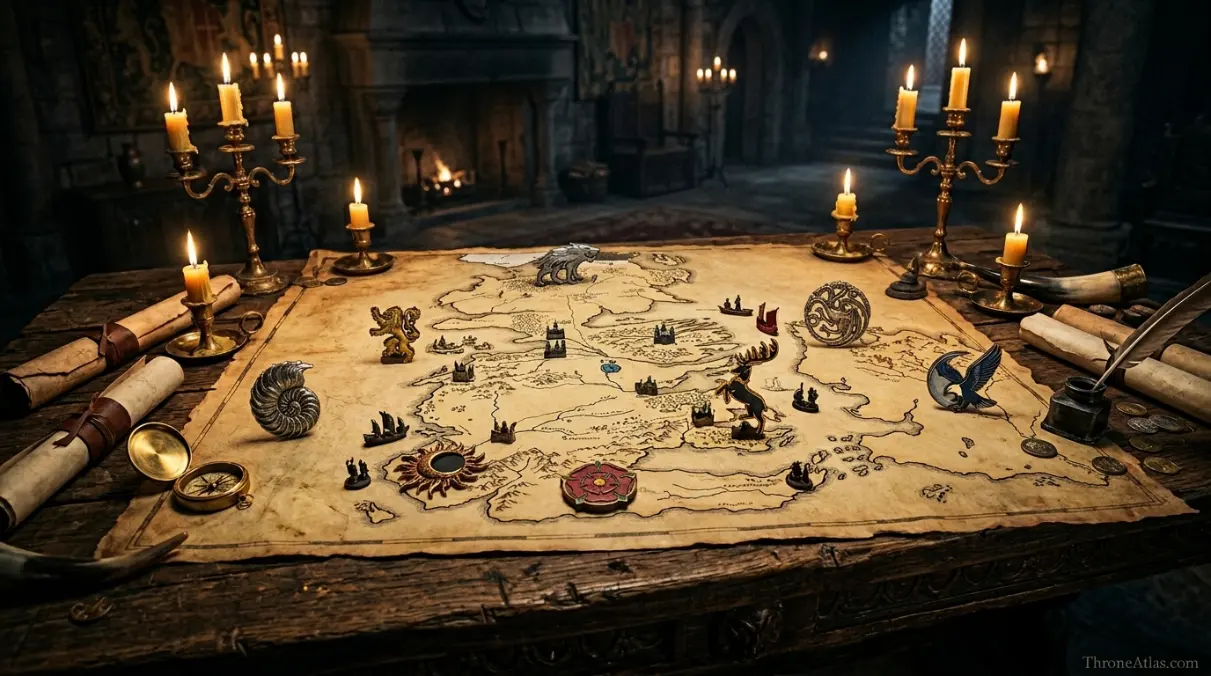
Explore the major Game of Thrones houses through the one thing that explains them better than any family tree: the map. This ThroneAtlas guide connects each great house to its territory, castle, sigil, words, alliances, enemies, characters, and political role across Westeros.
The major Game of Thrones houses are noble families tied to specific regions, castles, symbols, and political histories. House Stark rules the North from Winterfell, House Lannister rules the Westerlands from Casterly Rock, House Targaryen is tied to Dragonstone, Valyria, and the Iron Throne, House Baratheon holds Storm’s End, House Tyrell is linked to Highgarden and the Reach, House Martell rules Dorne from Sunspear, House Greyjoy rules the Iron Islands from Pyke, and House Arryn rules the Vale from the Eyrie. Their territories explain much of the loyalty, betrayal, succession conflict, and war across Westeros.
Westerosi Houses at a Glance
The fastest way to understand the houses is to connect each family to its region, seat, symbol, and strategic value.
Explore Noble Houses by Region
Search or filter houses by region, castle, sigil, family words, or story role. This hub is designed to support separate territory pages for every major family.
House Stark
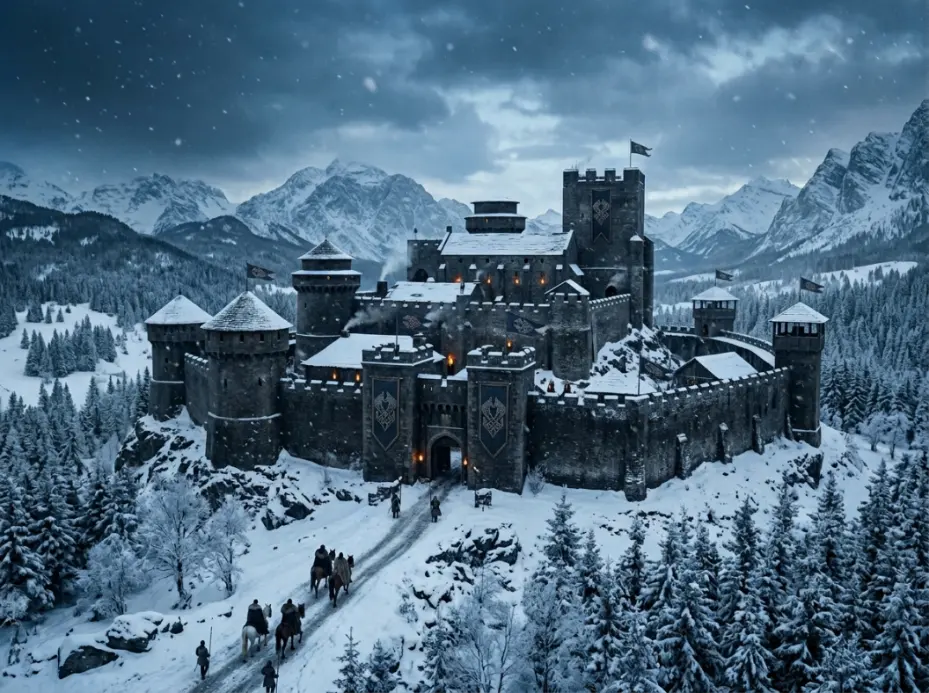
The old northern house of Winterfell, tied to loyalty, memory, the old gods, and the warning that winter is never only weather.
Open House Map →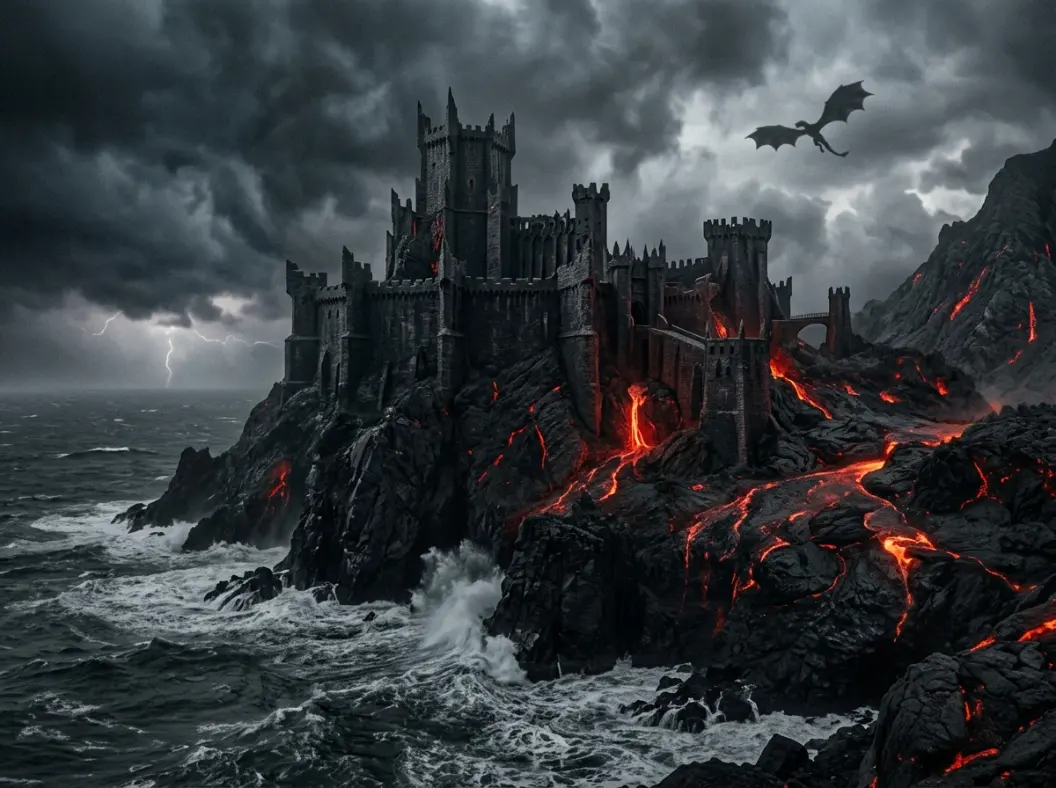
House Targaryen
The dragonlord house of Valyrian blood, tied to Dragonstone, conquest, prophecy, civil war, and the Iron Throne.
Open House Map →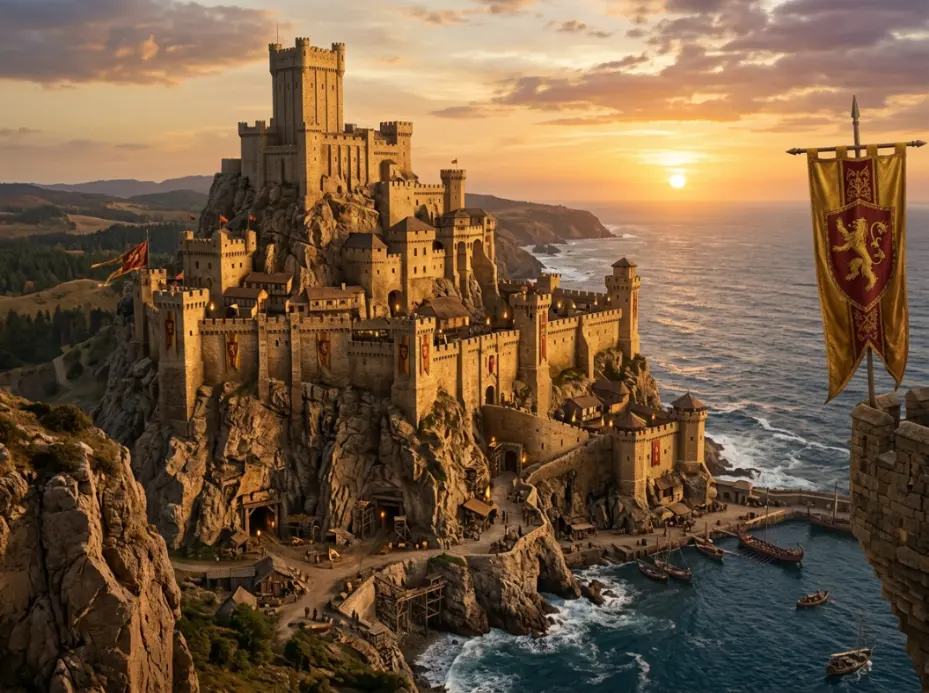
House Lannister
The golden house of Casterly Rock, where wealth, pride, debt, politics, and family ambition shape the realm.
Open House Map →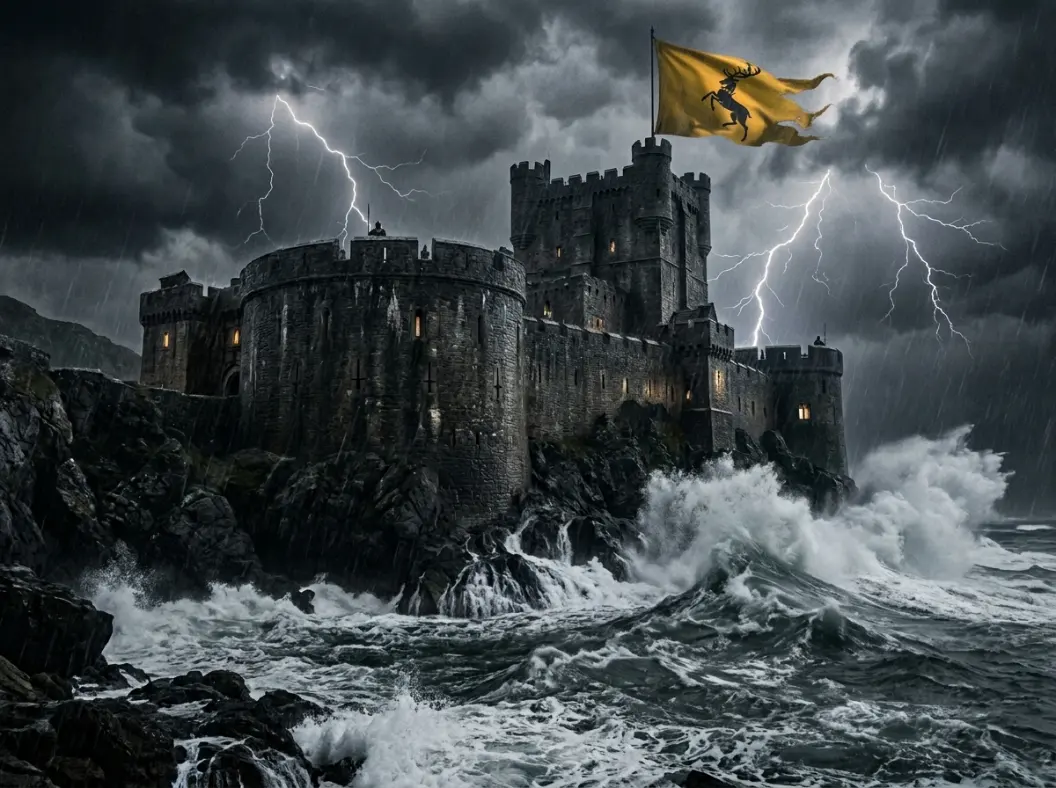
House Baratheon
The storm house of Storm’s End, tied to rebellion, royal claims, martial strength, and dangerous succession.
Open House Map →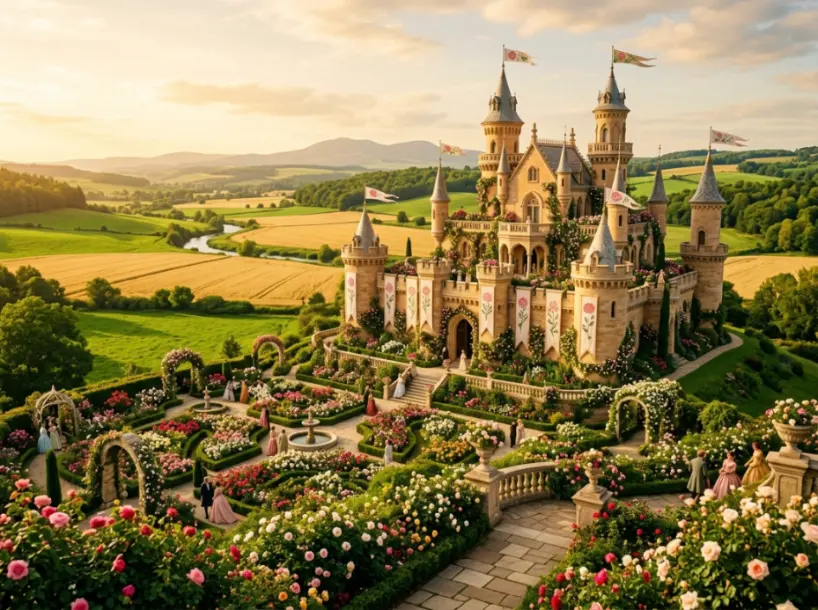
House Tyrell
The fertile power of Highgarden, where food, beauty, court influence, and marriage politics become weapons.
Open House Map →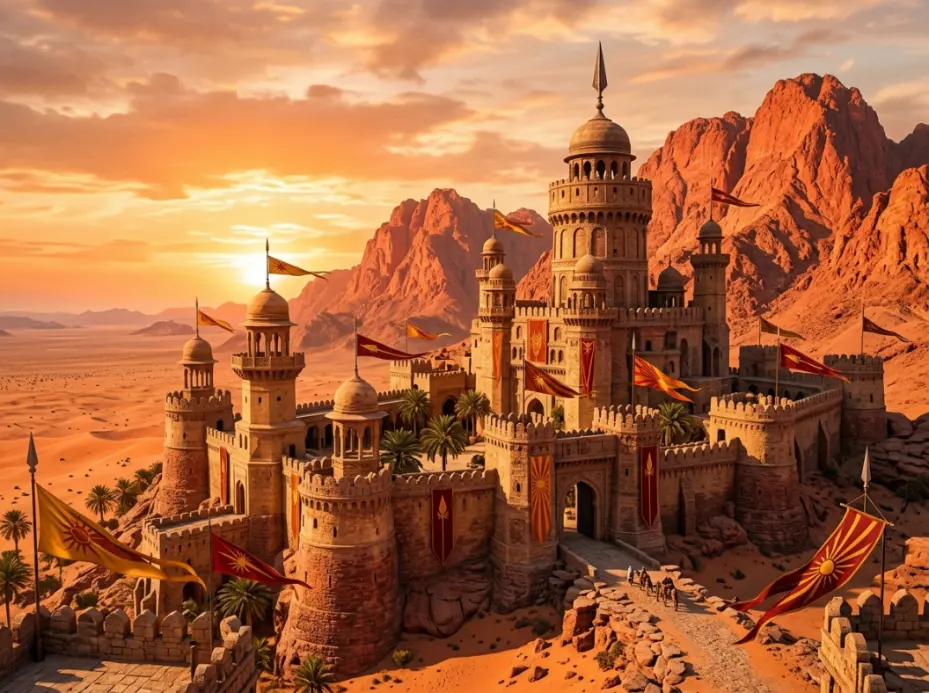
House Martell
The Dornish house of Sunspear, shaped by desert distance, mountain defenses, pride, patience, and resistance.
Open House Map →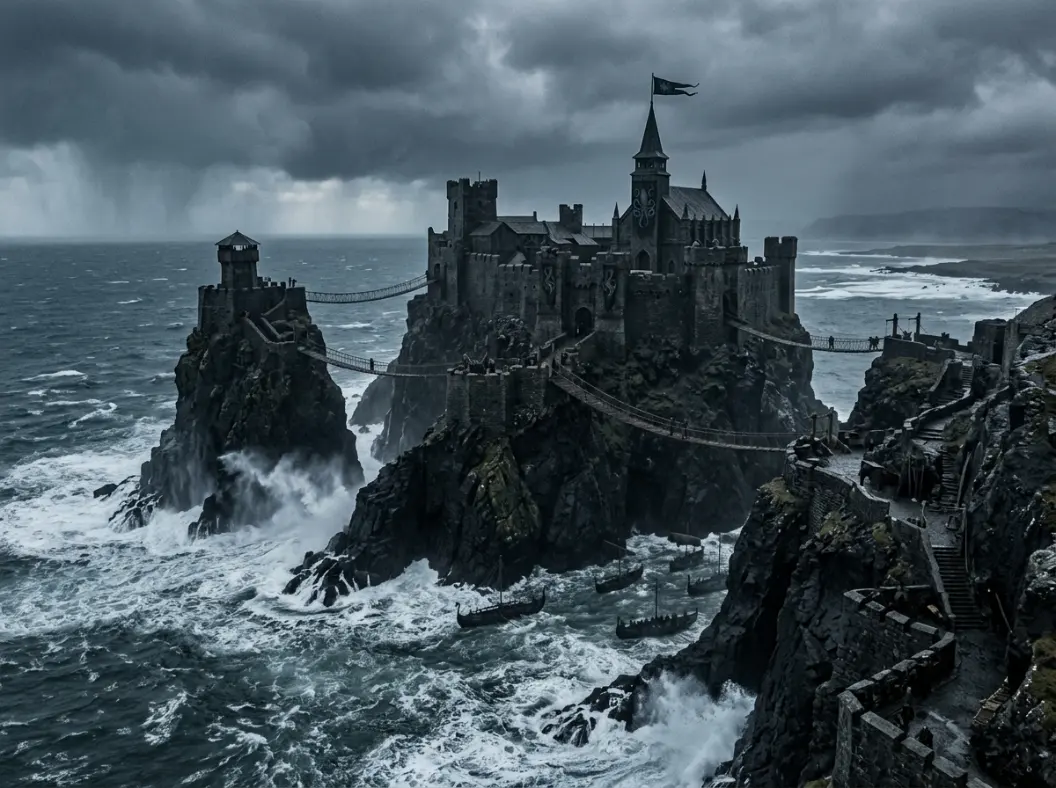
House Greyjoy
The hard sea house of Pyke, defined by ships, raids, salt, rebellion, and a culture that measures power by taking.
Open House Map →
House Arryn
The mountain house of the Eyrie, protected by cliffs, old nobility, difficult passes, and careful distance from chaos.
Open House Map →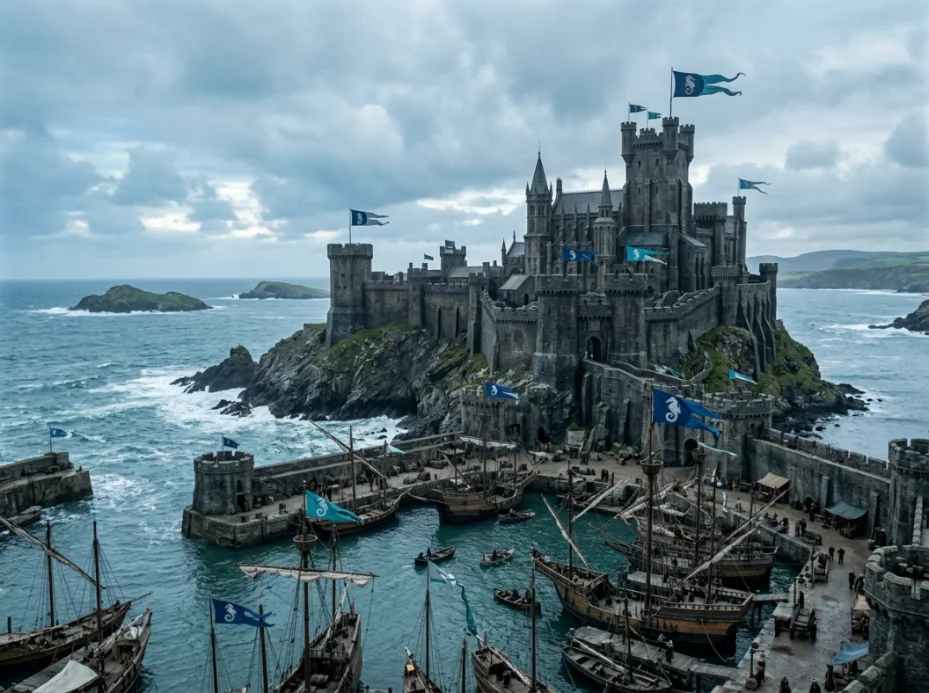
House Velaryon
The old Valyrian sea house of Driftmark, made powerful by ships, trade, marriage, and House of the Dragon politics.
Open House Map →Why Houses Matter on the Map
The noble houses of Game of Thrones are not just banners, family trees, and memorable words. They are territorial systems. Every major family controls, remembers, fears, or desires a specific part of the map. House Stark is almost impossible to separate from the North. House Lannister without the Westerlands would lose the gold and pride that define it. House Martell without Dorne would lose the heat, mountains, distance, and defiance that make it different from the rest of Westeros. House Targaryen without Dragonstone and Valyria becomes only a royal name, not a dragon legacy.
This is why a house hub belongs on ThroneAtlas. A normal list of houses gives you the sigil, words, and famous members. A map-first house guide shows why those details matter. Castles sit where they sit for reasons. Regional culture grows from climate and terrain. Allegiances are shaped by roads, rivers, ports, mountain passes, harvests, mines, islands, and old grudges. In Westeros, politics is geography wearing a crown.

House Stark: The North, Winterfell, and Old Memory
House Stark rules from Winterfell, the great northern castle at the heart of the largest region of Westeros. The Starks are shaped by distance. The North is cold, vast, sparsely populated compared with southern lands, and culturally attached to the old gods. This gives House Stark a different political and emotional flavor from houses closer to the capital. The Starks feel older, slower to bend, and more rooted in land than courtly performance.
On the map, Stark power is defensive and cultural. Winterfell is not merely a military seat; it is a symbol of continuity. The North can be hard to conquer because armies must cross long roads, harsh weather, and the Neck. But the same distance that protects the Starks can also isolate them. When northern lords march south, they leave behind the land that gives them strength.
House Targaryen: Dragonstone, Valyria, and the Iron Throne
House Targaryen is a house of displacement and return. Its older memory belongs to Valyria in Essos, but its Westerosi power begins at Dragonstone, the volcanic island fortress in the Narrow Sea. From Dragonstone, Aegon’s Conquest moved into mainland Westeros and reshaped the Seven Kingdoms. Later, the Iron Throne and King’s Landing became the public face of Targaryen rule.
The Targaryen map is different from other houses because dragons change geography. A dragonrider does not experience distance like a marching army. Islands become launch points. Capitals become targets. Castles become vulnerable from the sky. This is why Targaryen territory is best understood as a combination of bloodline, island base, royal capital, and remembered empire.
House Lannister: Casterly Rock, Gold, and Political Gravity
House Lannister rules from Casterly Rock in the Westerlands. Its strength is wealth, and wealth changes the map in ways armies cannot. Gold funds alliances, pays debts, raises forces, rewards loyalty, and buys time. The Lannisters do not need the largest region to become one of the most dangerous houses. Their territory gives them mines, ports, pride, and a seat that feels almost mythic in its reputation.
The Lannister map stretches beyond the Westerlands because money travels. King’s Landing becomes a Lannister power center through marriage, debt, and court control. The Riverlands become a battlefield because Lannister power must move through central Westeros. The family’s political reach is wider than its territory, which makes it one of the best examples of how a house can influence the map without physically owning all of it.
House Baratheon: Storm’s End and the Force of Claim
House Baratheon is rooted in the Stormlands and seated at Storm’s End. Its map identity is harsh weather, coastal strength, and stubborn endurance. Storm’s End is one of the legendary strongholds of Westeros, and the Baratheons carry that fortress-like energy into politics. They are not subtle in the way the Tyrells can be, or ancient in the way the Starks feel. Their power is loud, muscular, and tied to force of claim.
Robert’s Rebellion turns Baratheon geography into royal history. The Stormlands produce the rebel king, but the Baratheon claim eventually spreads to King’s Landing and divides again through Stannis, Renly, and Joffrey’s contested legitimacy. This makes the Baratheon map a study in how one house can move from regional strength to royal claim and then fracture under the weight of succession.
House Tyrell: Highgarden, Food, and Soft Power
House Tyrell is tied to Highgarden and the Reach, one of the richest and most fertile regions of Westeros. The Reach does not need to look as intimidating as the North or Stormlands to matter. It feeds people. In war, grain is power. In court, beauty and generosity can become strategy. The Tyrells understand that influence can enter a room with flowers instead of swords.
On the map, the Reach is a reminder that soft power still has roots. Highgarden’s charm depends on agricultural strength, wealth, population, and cultural prestige. Tyrell power often works through marriage and public image, but the land underneath it is practical. Armies need food. Cities need food. Kings need food. Whoever controls abundance controls leverage.
House Martell: Dorne, Distance, and Defiance
House Martell rules Dorne from Sunspear, and Dorne is one of the clearest examples of geography shaping political identity. The Red Mountains, deserts, heat, distance from the capital, and distinct culture all help explain why Dorne resists ordinary control. Dorne is not merely far south; it is structurally difficult to dominate.
Martell power is patient and proud. On a map, Dorne looks like the end of Westeros, but politically it is often a separate conversation. That separation matters. It explains why Dornish history feels different, why marriage alliances carry special weight, and why outside powers repeatedly discover that reaching Dorne is not the same as ruling it.
House Greyjoy: Pyke, Islands, and Sea Violence
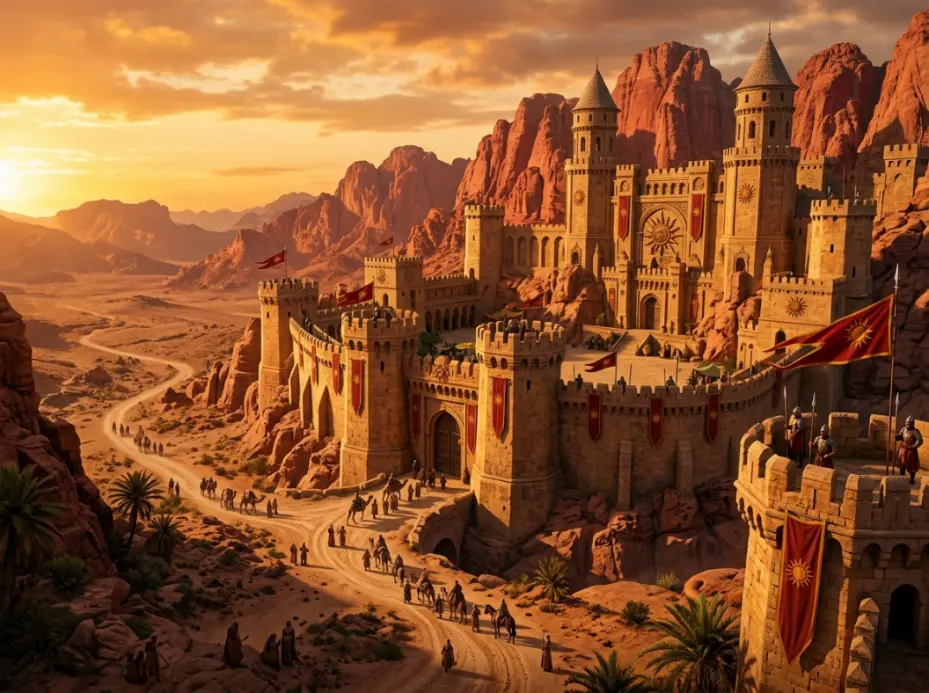
House Greyjoy rules from Pyke in the Iron Islands. Their geography is harsh, poor in the agricultural sense, and surrounded by sea. That environment produces a culture of ships, raids, salt, rebellion, and resentment toward greener lands. The Greyjoys are proof that weak farmland does not mean weak danger. A house can lack grain and still control fear through fleets.
The Iron Islands sit west of the mainland, which allows Greyjoy power to strike coasts and withdraw. This makes them disruptive more than stable. They are rarely the richest or most populous faction, but they can unsettle stronger realms because the sea gives them movement. Their map identity is not ownership of wide territory; it is the ability to appear where others feel safe.
House Arryn: The Vale and Defensive Distance
House Arryn rules the Vale from the Eyrie, a mountain seat famous for its height and defensive advantage. The Vale’s geography encourages caution. It is close enough to matter in politics but protected enough to delay involvement. Mountain passes, gates, and cliffs make the Vale feel like a region that can watch the realm burn before choosing when to open its doors.
Arryn power is old and respected, but its greatest strength is defensive position. The Eyrie is not a castle you simply march against. The Vale shows how geography can create political patience. When other houses must react quickly, the Vale can often wait.
House Velaryon: Driftmark and Narrow Sea Power
House Velaryon becomes especially important in House of the Dragon. Seated at Driftmark, near Dragonstone, the Velaryons are an old Valyrian house whose strength comes from ships, trade, marriages, and sea routes. They are not always central in Game of Thrones-era politics, but in the Dance of the Dragons they are crucial because naval power shapes the conflict.
Driftmark proves that small-looking islands can hold enormous strategic value. If Dragonstone is a dragon base, Driftmark is the fleet beside it. Together, they make the Narrow Sea one of the most important power corridors in Targaryen history.
House Power Comparison Table
| House | Main Seat | Region | Power Type | Why It Matters |
|---|---|---|---|---|
| Stark | Winterfell | The North | Land, loyalty, memory | The North’s size and culture make Stark rule feel ancient, defensive, and deeply regional. |
| Targaryen | Dragonstone | Crownlands / Narrow Sea | Dragons, bloodline, conquest | Dragonstone gives the family an island base close to the capital and linked to Valyrian identity. |
| Lannister | Casterly Rock | Westerlands | Gold, debt, court influence | Lannister power spreads far beyond the Westerlands because money moves faster than armies. |
| Baratheon | Storm’s End | Stormlands | Military force, royal claim | The Baratheon story shows how a regional house can become royal and then split over succession. |
| Tyrell | Highgarden | The Reach | Food, charm, alliances | The Reach feeds kingdoms, making Tyrell influence practical as well as political. |
| Martell | Sunspear | Dorne | Distance, terrain, patience | Dorne’s geography makes conquest difficult and gives House Martell a distinct political identity. |
| Greyjoy | Pyke | Iron Islands | Ships, raids, disruption | Greyjoy strength comes from movement and coastal threat rather than stable inland wealth. |
| Arryn | The Eyrie | The Vale | Mountains, defense, distance | The Vale can delay involvement because its natural defenses make it hard to force. |
How This Hub Should Expand
The houses hub is built to become a full territory system. The first three dedicated pages should be House Stark Map, House Targaryen Map, and House Lannister Map. After that, the cluster should expand to Baratheon, Tyrell, Martell, Greyjoy, Arryn, Velaryon, Tully, Bolton, Frey, Mormont, Hightower, and smaller houses that support the regional web.
Each house page should include its seat, sigil, words, territory, key members, connected locations, major wars, alliances, enemies, book vs show notes, and related links to route pages. That is how ThroneAtlas turns a simple list of noble families into a proper map-based storyline.

Which House Map Should You Read First?
This order builds the strongest understanding of Westeros, from northern loyalty to dragon rule and royal succession.
How This Houses Hub Supports the Whole Site
The houses hub strengthens maps, characters, lore, locations, and battles through entity-rich related reading.
Houses to Places
Each house links naturally to castles and regions: Stark to Winterfell, Targaryen to Dragonstone, Lannister to Casterly Rock, Martell to Sunspear, and Greyjoy to Pyke.
Houses to Characters
House pages strengthen character routes by explaining the family territory behind Jon, Daenerys, Tyrion, Arya, Sansa, Jaime, Cersei, Rhaenyra, and Daemon.
Houses to Events
House history connects directly to Aegon’s Conquest, Robert’s Rebellion, the War of the Five Kings, the Dance of the Dragons, and the Long Night.
Game of Thrones Houses Questions
The main houses include Stark, Targaryen, Lannister, Baratheon, Tyrell, Martell, Greyjoy, Arryn, Tully, Bolton, Frey, and others. The most powerful houses are usually tied to major regions, castles, military strengths, economic resources, and political history.
House Stark rules the North from Winterfell. The Starks are tied to the old gods, northern loyalty, the direwolf sigil, and the words “Winter Is Coming.”
House Targaryen is the house most strongly connected to dragons. Its history comes from Valyria, its Westerosi base is Dragonstone, and its words are “Fire and Blood.”
House territories matter because geography shapes power. The North gives the Starks distance, the Westerlands give the Lannisters gold, the Reach gives the Tyrells food, Dorne gives the Martells protection, and the Iron Islands give the Greyjoys ships.
Start with House Stark, House Targaryen, and House Lannister. These three houses connect the strongest map clusters: the North, Dragonstone, Valyria, King’s Landing, Casterly Rock, the Iron Throne, and the War of the Five Kings.
A house map explains the territory, castle, region, and political base of a family. A character journey map follows one person’s movement across the story. Both work together because characters carry house identity with them when they travel.
Related House Maps, Routes, Locations, and Lore
House Maps
Essential Maps
ThroneAtlas is an independent fan-made map and lore reference site. It is not affiliated with, endorsed by, or connected to HBO, Warner Bros., George R. R. Martin, or any official Game of Thrones, House of the Dragon, or A Song of Ice and Fire property. All names and trademarks belong to their respective owners.